
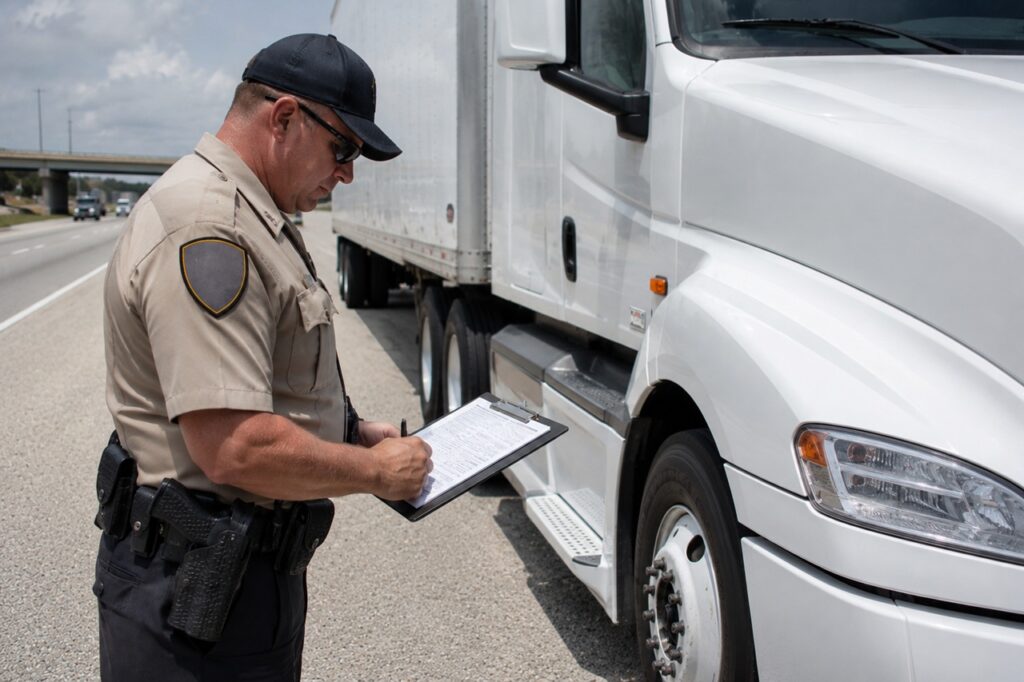
Nobody in this business needs to be told that a fatal crash is the worst day on the road. What is changing is how closely the federal government is going to look at those crashes — not just what happened, but everything around what happened: the driver, the truck, the carrier, and the road.
The news
On November 3, the Federal Motor Carrier Safety Administration (FMCSA) announced up to $7 million in funding for a nationwide study of fatal crashes involving heavy-duty trucks, run through its Crash Causal Factors Program. State and local agencies will gather and report detailed information on approximately 2,000 fatal crashes across about 30 states over two years. A pilot comes first; full data collection is expected to begin in 2027.
The study focuses on Class 7 and Class 8 trucks — gross vehicle weight ratings of 26,001 pounds and up — which FMCSA says account for roughly 70% of the large trucks involved in fatal crashes. In other words: exactly the trucks car haulers run.
This is the first study of its kind in more than two decades. It builds on the Large Truck Crash Causation Study from 2001–2003, which examined 967 crashes — the research the industry has been citing ever since, on data old enough to predate ELDs, modern collision mitigation, and today’s driver market.
How it will work matters. FMCSA is not hiring its own investigators. The money goes to the state and local agencies that already investigate commercial vehicle crashes — individual awards capped at $500,000, with about 30 awards expected — to cover the extra work: personnel and overtime, specialized training, crash reconstruction, and equipment from brake inspection tools to event data recorder hardware and drones. Applications are due December 28, 2026, and FMCSA has said the funding is a one-time offer that supplements the existing Motor Carrier Safety Assistance Program.
And the bar for a case to count is high: a crash record is only complete when it includes a post-crash inspection of the truck by a qualified inspector, plus an investigation or reconstruction built on those findings. The agency’s timeline runs through 2029, with a final report and a public database of anonymized crash data in 2030; early findings may come out before that.


What this means for car haulers
Nothing changes today — and that is exactly the point. This is not a new rule, a new inspection blitz, or a new form. It is a multi-year effort to find out, with modern data, why fatal crashes actually happen. The findings in 2029–2030 are what future safety rules, enforcement priorities, and insurance underwriting will be built on.
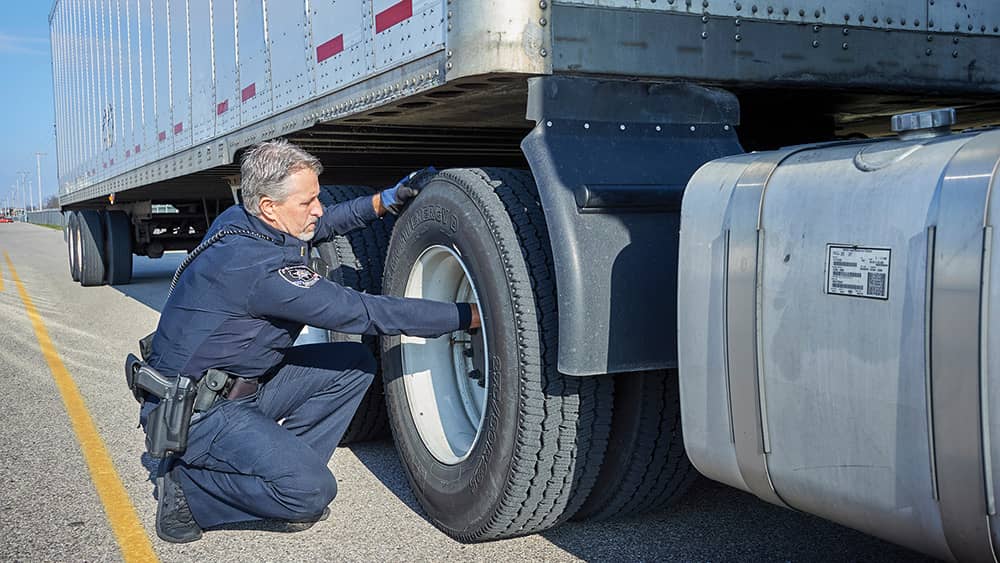
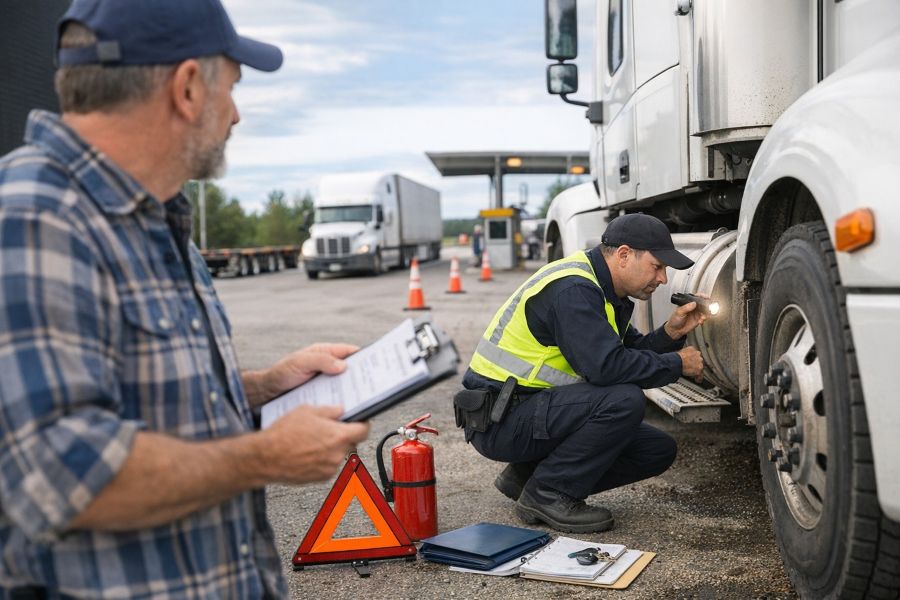
Your records are your side of the story. Every case in this study pairs the crash investigation with a post-crash inspection of the equipment. Brakes, tires, lights, securement — on a stinger, add chains, straps, and deck condition — plus the maintenance records behind them. If your truck is ever in a serious crash, the inspection and the paperwork are what investigators, insurers, and lawyers read. A carrier who can produce clean, current maintenance and inspection records starts that conversation in a completely different place than one working from memory.
It connects straight to your insurance. Underwriters already price what they can document. As crash-cause data gets sharper, documented safety — inspections done on time, defects fixed and recorded, driver files in order — is what separates a renewable policy from a painful one. If your file is thin, that is fixable now, and it is worth reviewing your insurance quotes with your records in hand rather than after a loss.
The bottom line: Washington is about to spend years learning from the worst crashes in trucking. The haulers who come out of that era best are the ones whose equipment and paperwork already tell a clean story. You do not need the study’s permission to run that way — start now, while it is still just good practice instead of the lesson somebody else’s crash taught the industry.
Call Victor at 954-947-3096 — for equipment, financing, insurance, and dispatching help that keeps you rolling safely.
Sources: The Trucker, “Beyond the crash report: FMCSA study to examine factors in fatal truck crashes” (Nov. 3, 2026), reporting FMCSA’s Crash Causal Factors Program funding announcement (funding opportunity FM-CCFP-27-001, applications due Dec. 28, 2026); FMCSA Heavy-Duty Truck Study fact sheet. Figures are FMCSA’s as reported; the study’s findings will be published by the agency as they are completed.